
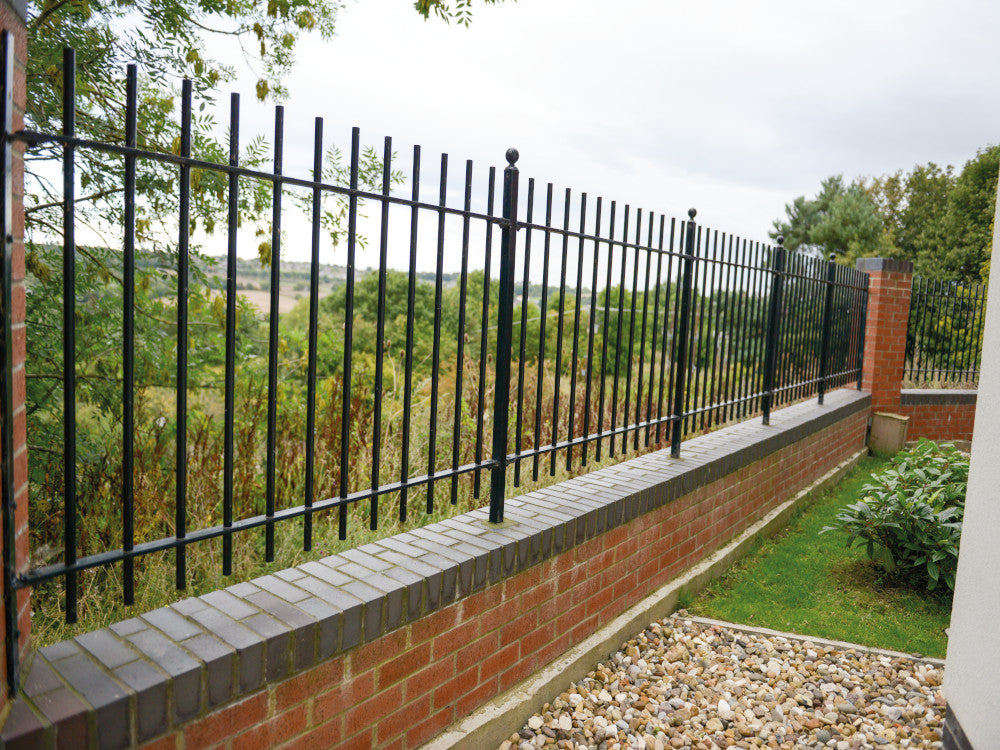
Steel flat bar is one of the most versatile products used across fabrication, construction and general engineering. Simple in appearance but incredibly adaptable, it is used in everything from gates and railings to structural supports, machinery, furniture and decorative metalwork.
Despite its widespread use, choosing the correct flat bar is not always straightforward. Width, thickness, material grade and intended application all influence how the finished project will perform. Selecting a flat bar that is too small can lead to unnecessary flexing, while choosing a larger section than required can add unnecessary weight and cost.
Whether you're a professional fabricator, welder or tackling a DIY metalworking project, understanding the different sizes of steel flat bar and where they are best used will help you achieve a stronger, more efficient and better-looking result.
What Is Steel Flat Bar?
Steel flat bar is exactly as its name suggests: a solid rectangular section of steel with flat surfaces and square edges. It is available in a wide range of widths and thicknesses, making it suitable for countless fabrication projects.
Its simple profile makes it easy to cut, drill, weld and machine using standard fabrication equipment. Unlike hollow sections, flat bar provides solid strength throughout its entire cross-section, making it particularly useful where fixing points, welded joints or high-load connections are required.
Steel flat bar is commonly manufactured from mild steel, although stainless steel and other specialist grades are also available depending on the application.
Understanding Flat Bar Dimensions
Steel flat bar is typically specified using two measurements: its width and its thickness.
For example, a flat bar measuring 50mm x 6mm is 50mm wide and 6mm thick. Both dimensions affect how the material performs under load.
Increasing the width provides greater surface area, making it useful for brackets, fixing plates and decorative work. Increasing the thickness improves the bar's strength and resistance to bending, making it more suitable for structural applications and heavy-duty fabrication.
Choosing the correct combination depends on both the appearance you want to achieve and the loads the finished component will need to support.
Common Uses for Narrow Flat Bar
Narrow flat bars are frequently used where appearance is just as important as strength.
They are commonly found in decorative railings, gates, infill panels, furniture frames, shelving, brackets and ornamental metalwork. Their slimmer profile makes them easy to shape and weld while creating elegant, lightweight designs.
Many fabricators also use narrow flat bar to create support rails beneath timber seating, secure panels within gate frames or manufacture bespoke mounting brackets. Because the material is easy to work with, it remains one of the most popular choices for custom fabrication projects.
Where Wider Flat Bar Performs Best
As projects become larger, wider flat bar provides additional strength and stability.
It is often used for structural brackets, base plates, reinforcement plates, machine guards, heavy-duty supports and fabricated frames. The increased surface area also makes wider flat bar suitable for applications where components need to be bolted together securely.
In architectural metalwork, wider flat bar is frequently incorporated into staircases, balustrades and commercial railings, where both strength and visual impact are important. Choosing a wider section can also reduce flexing across longer spans without significantly increasing fabrication complexity.
Choosing the Right Thickness
Thickness is one of the most important factors when selecting steel flat bar.
Thinner sections are easier to bend, shape and fabricate, making them ideal for decorative work and lighter-duty projects. They are often used where the bar's primary purpose is visual rather than structural.
Thicker flat bars provide significantly greater resistance to bending and are better suited to structural fabrication, gates, machinery, support frames and applications subject to repeated loading.
Selecting the appropriate thickness should always take account of the loads involved, the span being supported and the method of fixing.
Steel Flat Bar for Gates and Railings
Flat bar is used extensively throughout gate and railing fabrication because of its strength, versatility and clean appearance.
It can be used to manufacture horizontal rails, decorative infill sections, gate braces, frame reinforcement and fixing brackets. Combined with decorative scrolls, collars, forged components and railheads, flat bar also provides an attractive foundation for bespoke wrought iron designs.
Because it welds easily to box section, tube and other steel profiles, it remains one of the most commonly used products in architectural metalwork.
Using Flat Bar in Furniture and Interior Projects
Steel flat bar has become increasingly popular in contemporary furniture design.
Industrial-style dining tables, shelving units, benches, coffee tables and console tables frequently use flat bar as both a structural and decorative element. Its clean lines complement timber, glass and composite materials while creating strong, durable furniture suitable for both domestic and commercial environments.
Flat bar is also commonly used to create custom shelving brackets, wall-mounted supports and minimalist furniture frames where a slim but robust profile is required.
Mild Steel or Stainless Steel?
For most fabrication projects, mild steel flat bar provides an excellent balance of strength, affordability and ease of fabrication.
Where corrosion resistance is important, stainless steel may be a better option. Outdoor handrails, coastal installations, food preparation areas and architectural features exposed to moisture often benefit from the improved durability of stainless steel.
The right material depends on the environment, the desired finish and the level of maintenance the finished product will receive.
Consider the Finish Before Fabrication
The final finish should always be considered before selecting your material.
Mild steel flat bar is commonly galvanised or powder coated for outdoor use, while indoor projects may simply be primed and painted. Stainless steel may be supplied with brushed or polished finishes depending on the appearance required.
Planning the finish early also helps ensure suitable preparation during fabrication, reducing the amount of additional work required before installation.
Choosing the Right Flat Bar for Your Project
Every fabrication project has different requirements, so there is rarely a single "best" size of flat bar.
Smaller decorative projects may only require narrow sections with modest thickness, while structural frames, gates and commercial fabrications often benefit from wider, thicker material capable of supporting greater loads.
Considering strength, appearance, fabrication methods and finishing requirements together will help you select the most appropriate material from the outset. Making the right choice not only improves the finished result but can also reduce waste, simplify fabrication and improve long-term durability.
Quality Steel Flat Bar from DC Iron
At DC Iron, we supply a wide range of high-quality steel flat bar suitable for fabrication, construction, architectural metalwork and bespoke engineering projects. Available in a variety of widths and thicknesses, our flat bar is trusted by professional fabricators, metalworkers and DIY customers across the UK.
Whether you're manufacturing gates, railings, furniture, brackets or structural frames, our steel flat bar provides the strength, consistency and reliability needed to achieve professional results.