
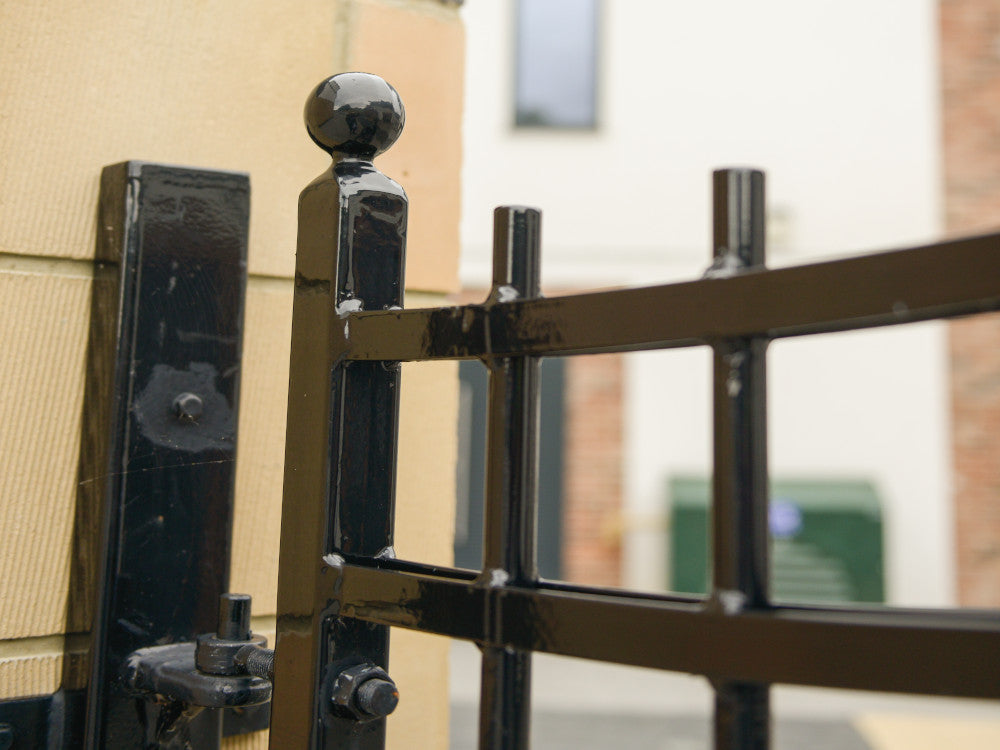
Steel box section is one of the most widely used materials in metal fabrication. Its clean shape, structural strength and versatility make it suitable for gates, frames, railings, supports and a wide range of structural projects. While the outer dimensions of box sections often receive the most attention, wall thickness is just as important when it comes to strength, durability and overall performance.
Choosing the correct wall thickness ensures the steel performs as expected without unnecessary weight or cost. For both professional fabricators and DIY users, understanding how thickness affects strength and usability helps prevent structural issues and improves long-term reliability.
Understanding What Wall Thickness Means
Wall thickness refers to the thickness of the steel that forms the sides of the box section. It is typically measured in millimetres and determines how much material is present in the structure. For example, a box section labelled 40 mm x 40 mm x 2.5 mm indicates a square section with 40 mm sides and a wall thickness of 2.5 mm.
Although two pieces of box section may have the same outer dimensions, the difference in wall thickness can significantly affect how much load they can carry. Thicker walls increase structural strength and resistance to bending, while thinner walls reduce weight and cost.
Understanding this balance is essential when selecting steel for fabrication projects.
How Wall Thickness Affects Strength
The thicker the wall of a steel box section, the greater its resistance to bending and deformation. This is because thicker steel provides more material to absorb and distribute forces applied to the structure.
For example, a frame made from a thin-wall box section may flex under load or develop distortion over time. In contrast, a thicker wall section maintains its shape more effectively when supporting weight or resisting external forces such as wind or movement.
In applications such as gates, support frames or load-bearing structures, selecting sufficient wall thickness is critical for maintaining alignment and preventing long-term sagging.
Typical Wall Thickness Options
Steel box sections are commonly available in several wall thicknesses. Each option is suited to different types of projects depending on the required strength and application.
Common thickness ranges include:
- Around 2 mm for light decorative or low load applications
- Around 2.5 mm to 3 mm for general fabrication and medium-duty structures
- 4 mm and above for heavier structural work or areas subject to higher loads
While these ranges provide a general guideline, the correct choice depends on the size of the structure, the loads involved and how the material will be used.

Choosing Thickness Based on the Application
When selecting wall thickness, the intended use of the steel should always be the starting point. Decorative projects such as lightweight frames or ornamental structures often do not require heavy steel. In these cases, thinner sections provide sufficient strength while keeping the structure easier to handle.
For functional installations such as gates, fencing panels or support frames, thicker wall sections are usually more appropriate. These structures experience repeated forces from movement, weather and regular use, so additional strength helps prevent bending or fatigue over time.
Professional fabricators often calculate loads and stress points before selecting materials. DIY users should consider whether the structure will support weight, resist movement or experience regular use.
Balancing Strength and Weight
While thicker steel increases strength, it also increases weight. This can affect both installation and performance. For example, a gate built from an excessively thick box section may become unnecessarily heavy, placing additional strain on hinges and posts.
Selecting the correct wall thickness allows fabricators to achieve the required strength without making the structure difficult to install or operate. In many cases, a moderate thickness provides the best balance between strength, weight and cost.
Careful material selection also helps reduce transportation and handling challenges during fabrication.
Welding and Fabrication Considerations
Wall thickness also affects how steel behaves during welding and fabrication. Thin steel heats quickly and can warp if excessive heat is applied. This requires a careful welding technique to avoid distortion.
Thicker steel is more forgiving during welding because it absorbs heat more gradually. However, it may require greater heat input or multiple welding passes to achieve strong joints.
Professional fabricators often choose slightly thicker material to simplify welding and improve joint strength. DIY users working with smaller equipment may prefer moderate thicknesses that are easier to cut and weld.
Environmental and Durability Factors
Projects exposed to outdoor environments should also consider durability when selecting wall thickness. Steel exposed to moisture, weather and corrosion may gradually lose surface material over time. Starting with a slightly thicker wall can provide additional lifespan before structural strength is affected.
Protective finishes such as galvanising or powder coating help protect steel surfaces, but the underlying thickness still contributes to long-term durability.
For installations expected to last many years, choosing a suitable wall thickness alongside protective coatings ensures better overall performance.
Making the Right Choice for Your Project
Selecting the correct wall thickness for steel box sections is an important step in any fabrication project. The choice should consider structural strength, weight, fabrication requirements and environmental conditions.
For DIY users, choosing a slightly stronger section than the minimum requirement can provide added confidence and durability. Professional fabricators often balance engineering calculations with practical experience to determine the most suitable material.
By understanding how wall thickness affects performance, both professionals and DIY builders can create metal structures that remain strong, stable and reliable for years to come.