
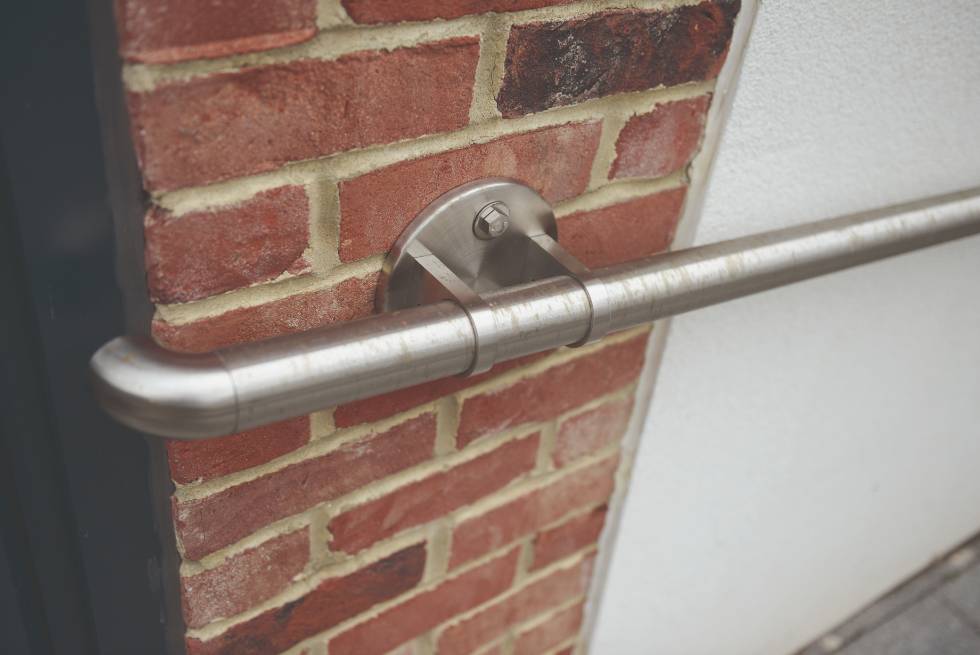
Stainless steel is widely chosen for outdoor metalwork because of its strength, clean appearance and resistance to corrosion. However, many people are surprised to see brown or yellowish marks appear on stainless steel exposed to the elements.
This discolouration is known as tea staining. While it does not usually affect the structural integrity of the metal, it can spoil the appearance of an otherwise high-quality installation.
Understanding what causes tea staining and how to prevent it is essential for anyone using stainless steel outdoors, whether on a professional fabrication project or a DIY installation.
What Is Tea Staining?
Tea staining appears as light brown, yellow or tea-coloured marks on the surface of stainless steel. It is most commonly seen on outdoor installations such as fixings, brackets, posts and decorative metal components.
Unlike rust, tea staining is a surface issue rather than deep corrosion. It forms when airborne contaminants such as salt, dust and industrial pollutants settle on the metal surface and are not washed away. Over time, these deposits break down the protective chromium oxide layer that gives stainless steel its corrosion resistance.
Why Tea Staining Happens Outdoors
Outdoor environments are particularly challenging for stainless steel components. Rain, humidity and temperature changes all contribute to surface contamination. In coastal areas, salt carried in the air accelerates the process. Urban and industrial locations also introduce pollutants that cling to metal surfaces.
Stainless steel relies on oxygen exposure to maintain its protective layer. When dirt, moisture or salt sits on the surface for long periods, this layer cannot regenerate properly, allowing staining to develop. Poor drainage, sheltered areas that do not benefit from natural rainfall and infrequent cleaning all increase the risk.
The Importance of Choosing the Right Stainless Steel Grade
One of the most effective ways to prevent tea staining is to select the correct stainless steel grade for the environment. Grade 304 stainless steel is suitable for indoor and sheltered locations, but it is more susceptible to staining when used outdoors.
Grade 316 stainless steel components contain additional elements that improve resistance to salt and moisture. This makes it the preferred choice for external applications, especially in coastal or exposed settings. Using 316-grade stainless steel significantly reduces the likelihood of tea staining and extends the lifespan of the installation.

Good Design and Installation Practices
How stainless steel components are installed plays a major role in preventing staining. Designs that allow water to drain freely reduce the chance of moisture pooling on the surface. Avoiding tight crevices where dirt can accumulate also helps keep the metal clean.
Ensuring that stainless steel components are not in direct contact with dissimilar metals is equally important. When stainless steel touches mild steel or galvanised components, contaminants can transfer onto the surface and encourage staining. Using appropriate spacers or matching materials helps prevent this issue.
After installation, removing fingerprints, grease and construction residue is essential. These residues can trap contaminants and become starting points for staining.
Cleaning and Maintenance to Prevent Tea Staining
Regular cleaning is one of the simplest and most effective ways to prevent tea staining. Stainless steel used outdoors should be cleaned periodically using warm water and a mild detergent. This removes surface contaminants before they can cause discolouration.
In areas exposed to salt or heavy pollution, more frequent cleaning may be required. Rinsing with clean water and drying the surface helps maintain the protective oxide layer. Abrasive cleaners or steel wool should be avoided, as they can damage the surface and make staining more likely.
Establishing a simple cleaning routine significantly improves the long-term appearance of stainless steel components.
Early Treatment if Staining Appears
If tea staining does appear, it should be addressed as soon as possible. Early treatment prevents the marks from becoming more pronounced and harder to remove. Gentle stainless steel cleaners designed for outdoor use can restore the surface without damaging the metal.
After cleaning, applying a suitable protective treatment can help reduce future staining. These treatments support the natural protective layer of the stainless steel and improve resistance to contaminants.
Long-Term Performance Through Prevention
Tea staining is largely a cosmetic issue, but it can create the impression of poor quality if left untreated. By choosing the right grade of stainless steel, designing installations carefully and maintaining a regular cleaning routine, tea staining can be effectively minimised.
For both DIY users and professional fabricators, prevention is always easier than correction. Thoughtful material selection and simple maintenance practices ensure stainless steel remains clean, durable and visually appealing for years to come.