
Metal fabrication relies on accuracy, control and consistency. Whether you are a professional fabricator working on gates and structural projects or a DIY enthusiast tackling smaller metalwork jobs at home, having the right tools makes all the difference. A well-chosen tool kit improves efficiency, reduces errors and helps deliver a safer, more professional finish.
This guide covers the essential tools and accessories every metal fabricator should own, focusing on practical equipment that supports a wide range of projects.
Measuring and Marking Tools
Accurate measurement is the foundation of quality fabrication. Even small errors can lead to misaligned joints, uneven frames or wasted material. Measuring tools ensure that every cut, hole and weld is placed correctly from the start.
A reliable steel tape measure, combination square and spirit level should be part of every kit. Marking tools such as scribers or permanent markers allow clear layout lines that remain visible during cutting and grinding. For repeat work, a measuring square helps maintain consistent angles across multiple components.
Both DIY users and professionals benefit from taking extra time at this stage, as accurate marking reduces the need for rework later. Browse our range of metalworker hand tools!
Cutting Tools for Steel and Metal
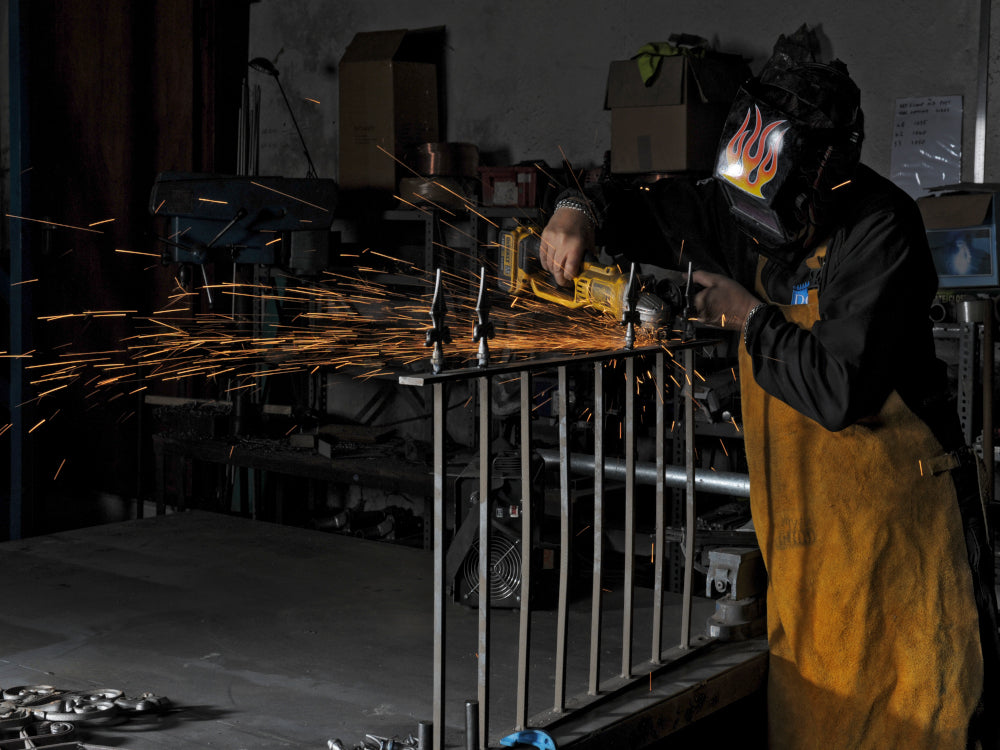
Cutting steel cleanly and safely requires the right equipment. Angle grinders are among the most versatile tools in metal fabrication and are used for cutting, grinding and surface preparation. Selecting the correct cutting discs and power tool accessories for the thickness and type of metal ensures clean edges and prevents overheating.
For finer work, hacksaws or band saws offer more control, especially when cutting smaller sections or tubes. Keeping cutting tools sharp and replacing worn discs improves safety and produces better results.
Having a range of cutting options allows fabricators to adapt to different materials and job requirements.
Clamps and Holding Accessories
Holding metal securely during cutting and welding is essential for both safety and accuracy. Clamps prevent movement that can cause uneven cuts or weak welds. G clamps, quick-release clamps and magnetic holders are all valuable additions to a fabrication toolkit.
Magnetic welding aids are particularly useful when working alone, as they hold components at fixed angles while joints are tacked. V-blocks and bench clamps help stabilise round or irregular sections.
Proper holding tools reduce strain, improve weld quality and allow more precise alignment throughout the build.
Welding Equipment and Accessories
Welding is central to many metal fabrication projects, and supporting accessories play a vital role in achieving clean, strong joints. In addition to a suitable welding machine, fabricators should have a range of accessories to support accurate work.
Chipping hammers, wire brushes and slag removal tools help clean welds after each pass. Welding magnets assist with positioning, while anti-spatter sprays keep surfaces clean. For consistent results, having spare consumables to hand avoids interruptions mid-job.
Even DIY welders benefit from using professional accessories, as they improve both safety and finish quality.
Drilling and Hole Preparation Tools
Drilling steel requires precision and the right cutting speed. High-quality drill bits designed for metal reduce the risk of breakage and create clean holes. Using cutting fluid or lubricant helps control heat and extends tool life.
Countersinks and deburring tools are also important, as they remove sharp edges and prepare holes for fixings. Cleanly finished holes improve both safety and appearance, particularly in visible metalwork.
For repeat drilling, a drill guide or pillar drill improves consistency and accuracy.
Surface Preparation and Finishing Tools
Finishing is what separates basic fabrication from professional metalwork. Surface preparation tools remove rust, smooth welds and prepare metal for painting or coating. Grinding wheels, flap discs and wire brushes are all commonly used at this stage.
Files and hand-finishing tools allow precise shaping and refinement, particularly around decorative elements or tight corners. Taking time to finish edges and welds improves both safety and the final appearance of the project.
A clean, well-prepared surface also ensures better adhesion for primers and topcoats. Browse our range of metal paint today.
Safety Equipment for Fabrication Work
Safety should never be overlooked in metal fabrication. Protective equipment reduces the risk of injury and allows fabricators to work confidently and comfortably.
Basic safety gear includes gloves, eye protection and ear defenders. Welding helmets, protective clothing and sturdy footwear are essential when working with heat and sparks. Keeping the work area tidy and well lit also contributes to a safer environment.
Both professionals and DIY users should treat safety equipment as an essential part of the tool kit, not an optional extra.
Building a Tool Kit That Grows With You
An effective fabrication tool kit does not need to be built all at once. Many fabricators start with basic tools and expand as their skills and projects develop. Investing in reliable, well-made tools from the beginning saves money in the long term and supports better workmanship.
Whether you are building gates, railings, furniture or structural frames, the right tools make each project easier and more enjoyable. A well-equipped toolkit allows both DIY enthusiasts and professionals to work efficiently, safely and with confidence.