
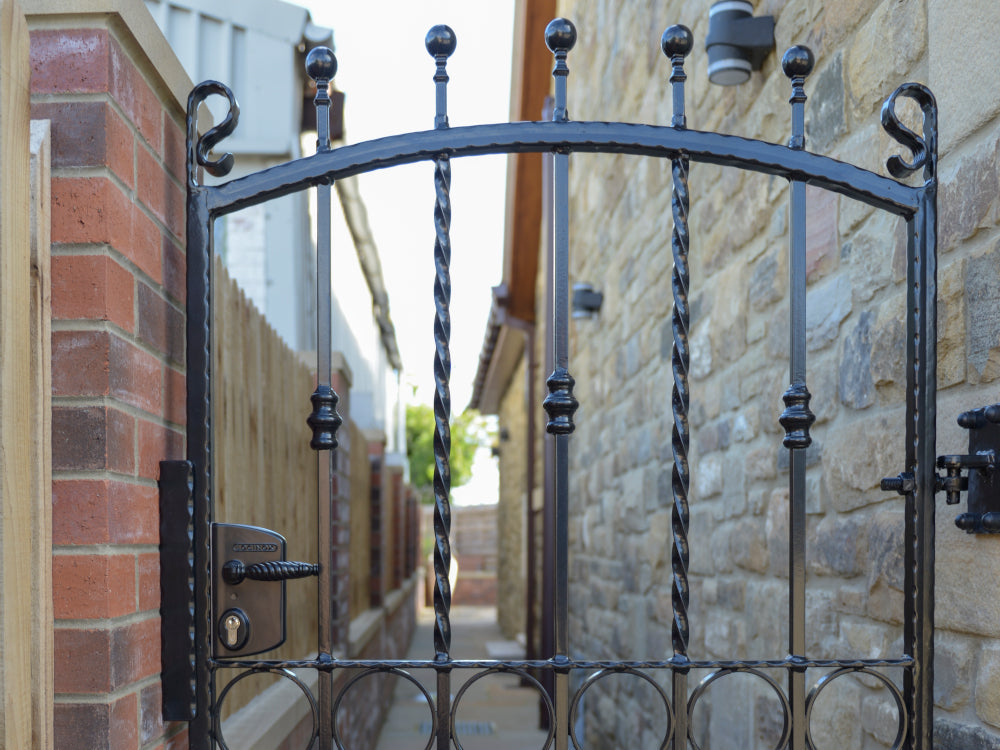
Straight steel bars provide the backbone for railings, gates and balconies, but sometimes a project needs something more than plain vertical lines. Twist and rope bars are an easy way to add character and craftsmanship to ironwork. These decorative profiles incorporate helical grooves or rope‐like spirals along the length of the bar, creating eye‐catching patterns that work well in contemporary and traditional settings. This article explores how twisted and rope bars are made, where to use them and how to select the right style and finish for your project.
What Are Twisted and Rope Bars?
Twisted bars begin as standard square or round steel stock. Using specialised rolling machines, manufacturers rotate the bar while applying pressure, producing uniform spirals along its length. Rope bars follow a similar process but have deeper, rounder grooves that mimic the look of a coiled rope. The result is a rigid steel bar with a decorative surface that catches the light and adds texture.
The appeal of twisted profiles is timeless. Twisted wrought iron adds flair to balcony railings, archways and fences, giving simple structures a sophisticated yet understated look. By incorporating rope or twisted bars, you can transform a functional railing into a statement feature without significantly increasing the weight or complexity of the build.

Applications for Twisted and Rope Bars
Balcony Railings
On balconies, twisted bars serve as infill between the handrail and base rail, providing safety while introducing decorative detail. The spiral grooves cast subtle shadows and lend a sense of movement. Twisted bars can also be combined with plain bars or glass panels to create contrast.
Gates and Fencing
In gates, rope and twisted bars add elegance to what would otherwise be a simple grille. They can be spaced evenly across a driveway gate, paired with spear finials for a traditional look, or used in alternating patterns to draw the eye. Fencing panels featuring rope bars offer greater visual interest than plain vertical pickets and pair well with ornate scrolls, collars and decorative baskets.
Interior Features
Twisted steel doesn’t have to stay outdoors. Rope bars make attractive balusters on staircases and mezzanines, especially when combined with timber handrails. They can also be used for wine racks, shelving supports or industrial‐style room dividers. The tactile grooves add depth and complement exposed brick, wood and other natural materials.
Material Options and Finishes
DC Iron stocks a wide range of twisted and rope bars in mild steel, ideal for fabrication and welding. Bars are available in square and round profiles and in lengths suitable for handrails, balustrades and fencing panels. When choosing a finish, consider the environment and desired appearance:
Self-colour steel allows you to customise the finish yourself - paint, wax or oil for an industrial look.
Galvanised twisted bars receive a coating of zinc that protects the steel from corrosion, making them suitable for external use in gardens and coastal areas.
Powder-coated rope bars offer a durable, coloured finish that resists chipping and fading. Powder coating works well for matching bars to window frames or composite fences.
Design Tips
Mix patterns: Combine rope bars with plain bars or other decorative components to create alternating textures. A repeating pattern can enhance symmetry and add rhythm to railings.
Pair with collars and rings: Decorative collars or rings placed along the length of a twisted bar emphasise the spiral pattern and create focal points. DC Iron offers a variety of collars and rings that can be slid onto bars before welding.
Consider spacing: For safety, ensure the gap between bars meets building regulation requirements (usually 100 mm maximum for balustrades). Twisted and rope profiles do not affect this measurement but can influence how open or enclosed the structure feels.
Use symmetry: Twisted bars work beautifully in pairs or groups. Placing two twisted bars next to a rope bar can highlight the contrast between profiles.
Selecting the Right Bar for Your Project
When selecting a twisted or rope bar, consider the scale of your project. A thick rope bar suits large gates or commercial balustrades, while slender twisted bars are better for delicate garden fences or internal staircases. Measure the height of your railing or gate and plan the spacing before ordering. Most bars can be cut to size on site or in a workshop.
Browse The Range - DC Iron
Twisted and rope bars offer a simple yet effective way to elevate ironwork. Their textured surfaces add movement, depth and a handcrafted feel to gates, railings and interior features. By selecting the appropriate profile, finish and spacing, you can create a bespoke look that complements both modern and traditional architecture.
Explore DC Iron’s full range of twist and rope bars to find the perfect option for your next project and let your ironwork stand out.