
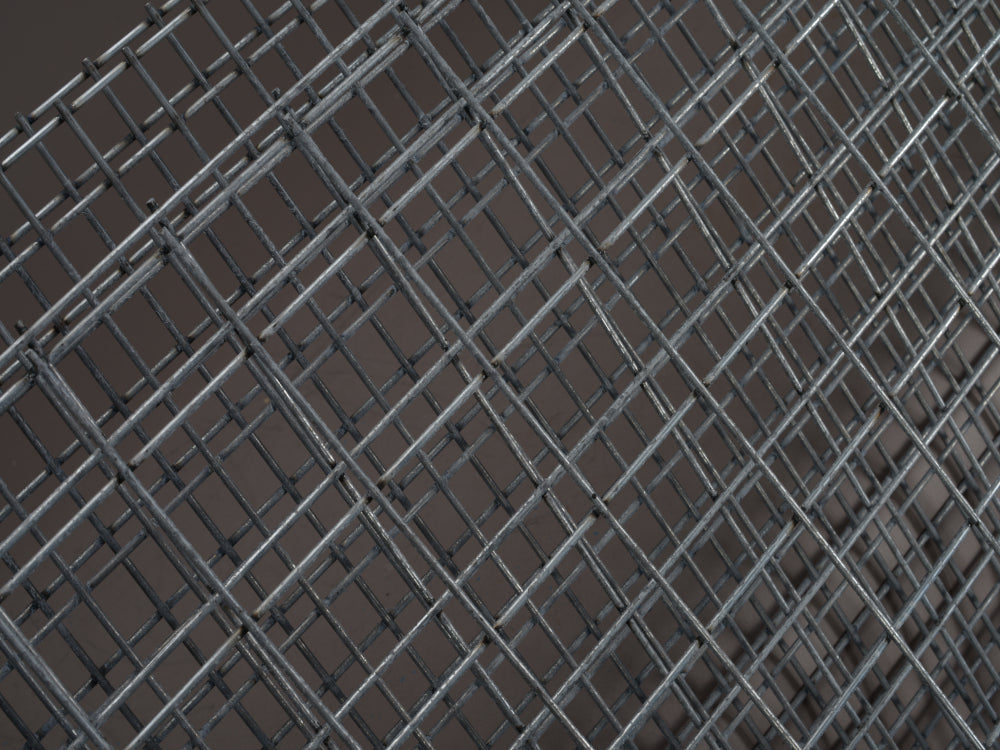
Open mesh grating is widely used across industrial, commercial and public environments because it provides a strong, durable and practical flooring solution. From factory walkways and fire escapes to drainage covers and access platforms, open mesh grating offers excellent load-bearing performance while allowing water, dirt and debris to pass through.
One of the most important decisions when selecting open mesh flooring is choosing between serrated and plain grating. While both options are manufactured to provide strength and durability, they are designed for different environments and applications.
Understanding the differences between serrated and plain open mesh grating will help you choose the most suitable option for your project, ensuring the finished installation performs safely and efficiently for many years.
What Is Open Mesh Grating?
Open mesh grating consists of load-bearing steel bars joined together by cross bars to create a rigid grid pattern. The open design allows liquids, mud, snow and debris to fall through rather than collecting on the surface.
This makes open mesh flooring particularly suitable for areas where drainage, ventilation and slip resistance are important. It is commonly used for industrial walkways, maintenance platforms, stair treads, gantries, factory floors and external access routes.
Open mesh grating is available in a variety of sizes, load ratings and finishes to suit different environments and structural requirements.
What Is Plain Open Mesh Grating?
Plain open mesh grating has smooth, flat load-bearing bars that create an even walking surface.
This type of grating is widely used where slip resistance is not the primary concern and where a smooth surface offers greater comfort underfoot. It is commonly installed in factories, plant rooms, mezzanine floors, maintenance walkways and other controlled environments.
The smooth bars are also easier to clean, making plain grating suitable for locations where hygiene and regular maintenance are priorities.
For many indoor applications, plain grating provides an excellent balance between strength, durability and ease of maintenance.
What Is Serrated Open Mesh Grating?
Serrated open mesh grating features load-bearing bars with small teeth cut into the upper surface.
These serrations create additional grip underfoot, helping to improve traction in wet, muddy, icy or oily conditions. Rather than relying solely on the surface of the steel, the raised teeth provide extra resistance between footwear and the grating.
This additional grip makes serrated grating particularly popular for outdoor installations and industrial environments where slipping could present a significant safety risk.
Although the difference in appearance may seem relatively small, the improved slip resistance can make a considerable difference in challenging conditions.
Slip Resistance and Safety
One of the biggest differences between plain and serrated grating is the level of slip resistance they provide.
Outdoor walkways are regularly exposed to rain, frost, fallen leaves and dirt, all of which can reduce grip. Industrial environments may also introduce oil, grease or other contaminants that make walking surfaces more hazardous.
Serrated grating provides additional traction in these conditions, helping to reduce the risk of slips and falls.
Plain grating still offers a degree of natural grip because of its open design, but it generally performs best in dry or controlled environments where contamination is less likely.
Choosing the correct surface for the environment is an important part of creating a safe workplace or public access route.
Where Plain Open Mesh Grating Works Best
Plain grating is commonly chosen for indoor environments where weather exposure is minimal and cleaning requirements are high.
Examples include manufacturing facilities, warehouse mezzanines, plant rooms, service platforms and internal maintenance walkways.
Its smooth surface makes it easier to sweep and clean, while still providing excellent structural performance and drainage.
Where staff regularly push trolleys or wheeled equipment across the surface, plain grating may also provide a smoother operating surface.
For many commercial and industrial buildings, plain grating remains the most practical and economical choice.
Where Serrated Open Mesh Grating Is Most Suitable
Serrated grating is generally preferred for external environments or locations where additional grip is required.
It is frequently installed on fire escapes, access stairways, loading bays, offshore platforms, wastewater treatment facilities, processing plants and exposed maintenance walkways.
In these environments, the improved traction provided by the serrated surface helps maintain safety throughout the year, even during adverse weather conditions.
For sites where employee safety is a priority, the additional slip resistance often outweighs the slightly higher purchase cost.
Strength and Load Capacity
Both plain and serrated grating are manufactured to meet specific load requirements.
The choice between the two does not generally affect the structural strength of the grating itself. Instead, strength depends on factors such as the depth and spacing of the load-bearing bars, the span between supports and the material specification.
When selecting open mesh grating, it is important to ensure the load rating matches the intended application regardless of whether a plain or serrated surface is chosen.
Heavy pedestrian traffic, equipment loads and maintenance vehicles should all be considered during the design stage.
Maintenance and Long-Term Performance
Both types of open mesh grating are designed to provide many years of reliable service when correctly installed and maintained.
Regular inspections should be carried out to ensure fixings remain secure and that any build-up of debris is removed.
Plain grating is generally easier to clean because of its smooth surface, while serrated grating may require slightly more attention to remove dirt trapped around the serrations.
However, this minor increase in maintenance is often offset by the improved safety benefits provided in challenging environments.
Protective finishes such as galvanising also help improve corrosion resistance and extend the lifespan of both types of grating.
Choosing the Right Open Mesh Grating for Your Project
Selecting between plain and serrated open mesh grating ultimately depends on the environment in which it will be installed.
If the installation is indoors, remains dry for most of the time and requires easy cleaning, plain grating is often the ideal choice.
If the grating will be exposed to rain, snow, mud, oil or other contaminants, serrated grating usually provides the safer solution by offering increased grip and reducing the likelihood of slips.
Considering factors such as safety, maintenance, environmental conditions and expected foot traffic will help ensure the correct choice is made.
Making the Best Long-Term Investment
Open mesh flooring is designed to provide decades of reliable performance, but selecting the right surface profile is just as important as choosing the correct load rating.
Plain grating offers a smooth, durable solution for many indoor applications, while serrated grating provides additional confidence in demanding outdoor and industrial environments where slip resistance is essential.
By understanding the strengths of each option, both professional fabricators and DIY users can choose open mesh grating that delivers the right combination of safety, durability and long-term value for their project.