
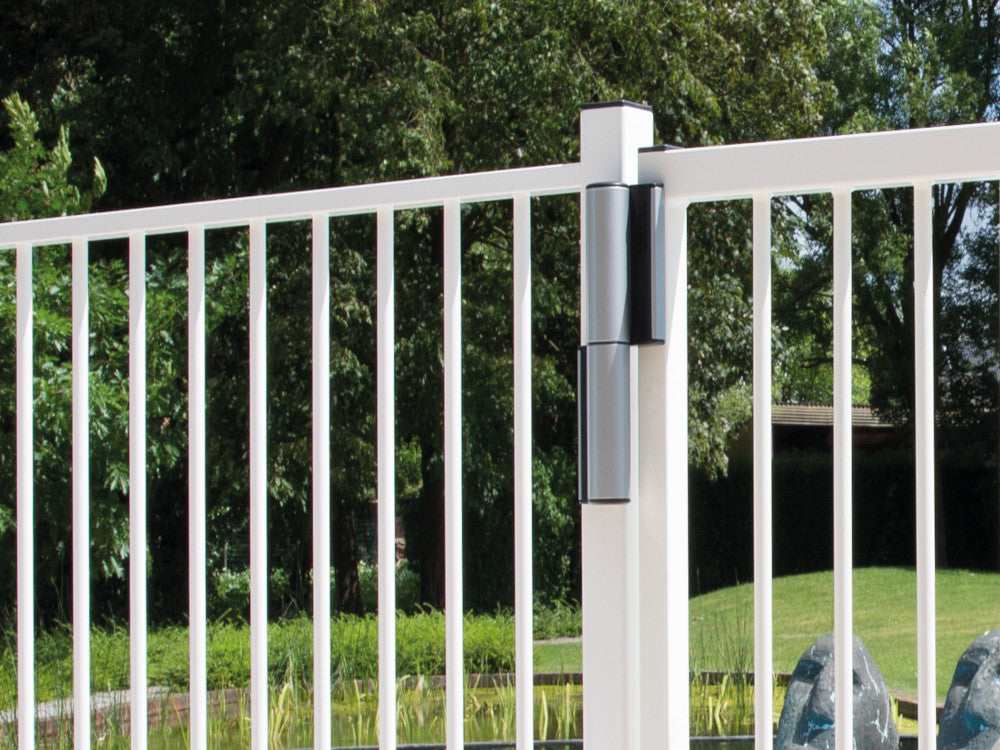
Gate closers are often viewed simply as a convenience, ensuring that a gate closes automatically after it has been opened. However, their role goes far beyond this basic function. A properly installed gate closer can significantly extend the lifespan of both residential and commercial gates by reducing unnecessary stress on hinges, posts, locks and the gate frame itself.
Whether fitted to pedestrian gates, garden gates, security gates or commercial entrances, gate closers help control movement, minimise impact and improve the overall performance of the gate. For property owners, contractors and fabricators alike, investing in the right gate closer can reduce maintenance costs and prevent premature wear.
Understanding how gate closers protect a gate over time helps explain why they have become an essential component of many modern gate installations.
How Gate Closers Work
A gate closer is designed to return a gate to its closed position in a controlled and consistent manner after it has been opened. Depending on the type of closer, this may be achieved through hydraulic pressure, spring tension or a combination of both.
Rather than allowing the gate to swing freely, the closer regulates its movement throughout the closing cycle. This controlled action reduces sudden impacts and ensures the gate closes smoothly each time it is used.
Many modern gate closers can also be adjusted to alter the closing speed and latching action, allowing the gate to suit different environments and levels of usage.
Reducing Impact on Hinges
Gate hinges are among the hardest-working components of any gate. Every time the gate is opened and closed, the hinges support the weight of the gate while allowing it to move freely.
Without a gate closer, users often allow the gate to swing shut under its own momentum. This repeated impact places unnecessary stress on the hinges, gradually increasing wear and reducing their lifespan.
A gate closer slows the movement of the gate before it reaches the closed position. By reducing the force applied to the hinges during each closing cycle, the closer helps preserve their condition and maintain smooth operation for much longer.
This is particularly important for heavy steel gates, which generate significantly greater forces than lightweight timber or aluminium alternatives.

Protecting Gate Posts and Frames
The forces generated when a gate slams shut are not limited to the hinges. Every impact transfers energy through the gate frame and into the supporting posts.
Over time, repeated impacts can contribute to loose fixings, movement in gate posts and even slight distortion of the frame. These small changes may eventually affect how the gate opens, closes and aligns with the latch.
A properly adjusted gate closer helps absorb much of this energy by controlling the speed of closure. This reduces stress throughout the entire structure and helps maintain alignment over many years of use.
For commercial gates that experience hundreds of opening cycles each week, this reduction in impact can make a significant difference to long-term durability.
Preventing Damage to Locks and Latches
Gate locks and latches rely on accurate alignment to operate correctly. When a gate repeatedly slams into the latch, the locking mechanism experiences unnecessary wear.
This repeated impact can gradually loosen fixings, wear latch components and reduce the reliability of the locking system.
A gate closer ensures the gate approaches the latch at a controlled speed, allowing the locking mechanism to engage correctly without excessive force.
Not only does this improve security, but it also extends the lifespan of the lock and reduces the need for adjustments or replacement.
Reducing Wear Caused by Wind
Outdoor gates are constantly exposed to changing weather conditions, particularly strong winds.
Without a gate closer, wind can cause gates to swing open or slam shut unexpectedly. This sudden movement places considerable strain on hinges, posts and locking mechanisms.
A quality gate closer helps control the gate even during windy conditions by slowing its movement and reducing the force generated when it closes.
While no closer can completely eliminate wind-related forces, it can significantly reduce the damage caused by repeated uncontrolled movement.
Improving Safety Around the Property
Controlled gate movement also improves safety.
A gate that swings shut unexpectedly can create a hazard for children, pets and other users. Heavy gates are particularly dangerous if allowed to close under their own weight.
By controlling the closing speed, a gate closer reduces the likelihood of sudden impacts and creates a more predictable movement.
Many hydraulic gate closers also include adjustable closing and latching speeds, allowing installers to balance safety with reliable self-closing performance.
Reducing Maintenance Costs
Every component of a gate experiences wear over time, but excessive impact accelerates this process.
By reducing stress on hinges, locks, posts and frames, gate closers help minimise many of the maintenance issues commonly associated with frequently used gates.
This means fewer hinge adjustments, less frequent lock replacement and reduced risk of structural repairs.
For commercial premises, schools, apartment developments and public buildings where gates may be used hundreds of times each day, these maintenance savings can become significant over the lifetime of the installation.
Choosing the Right Gate Closer
Not all gate closers are suitable for every application.
The weight, width and frequency of use should all be considered when selecting a gate closer. A lightweight garden gate may only require a simple spring closer, while heavy steel security gates often benefit from hydraulic closers that offer greater control and durability.
Environmental conditions should also be taken into account. Gates installed in exposed or coastal locations may require corrosion-resistant components that can withstand challenging weather conditions.
Selecting a gate closer that matches both the gate and its intended use helps ensure reliable long-term performance.
Professional Installation Makes a Difference
Even the highest-quality gate closer will not perform effectively if it is installed incorrectly.
Correct positioning, secure fixings and accurate adjustment are essential for achieving smooth operation. An incorrectly adjusted closer may allow the gate to slam shut or fail to latch properly, reducing both performance and lifespan.
Professional installers will also ensure that the closer works alongside the hinges, latch and gate frame rather than placing additional stress on any individual component.
Taking the time to install and adjust the closer correctly helps maximise the benefits it provides.
Extending the Life of Your Gate Investment
A gate represents a significant investment, whether it protects a family home, commercial premises or industrial site. Protecting that investment means looking beyond the gate itself and considering the components that help it perform efficiently.
A gate closer is one of the simplest yet most effective ways to extend the lifespan of a gate. By controlling movement, reducing impact and protecting critical components, it helps maintain smooth operation while reducing wear and maintenance requirements.
For both professional fabricators and DIY property owners, choosing the right gate closer is a practical investment that improves safety, reliability and long-term durability, ensuring gates continue to perform as intended for many years.