
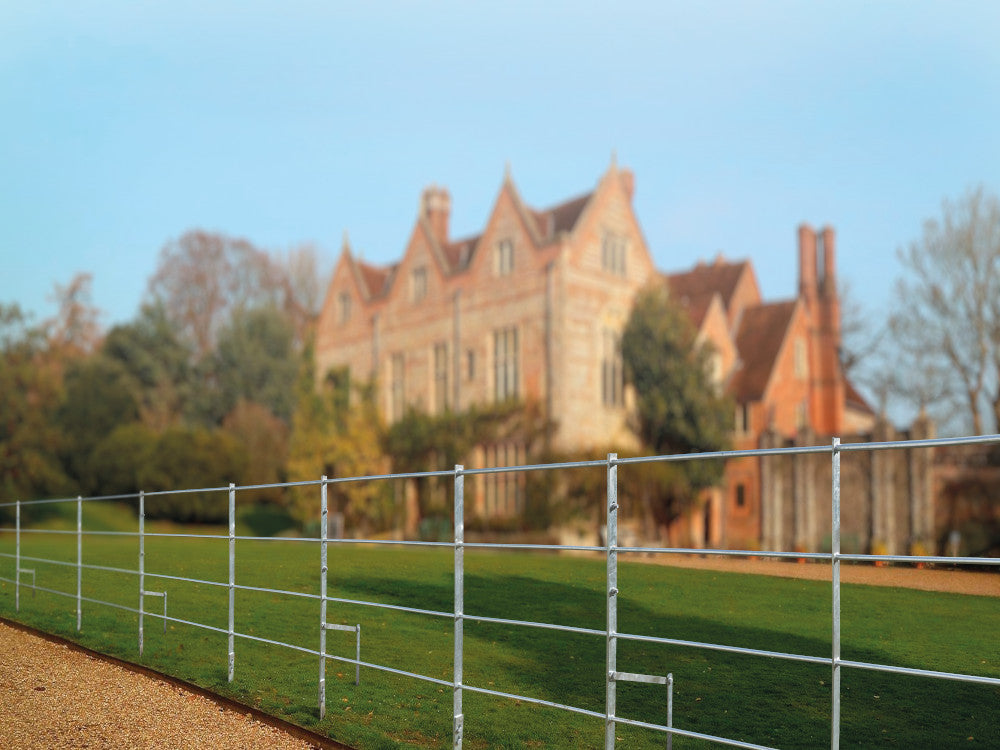
Estate fencing is a popular choice for farms, country estates, equestrian properties and large residential developments because it combines strength, functionality and visual appeal. When installed correctly and maintained properly, estate fencing can provide decades of reliable service. However, like any outdoor structure, it is constantly exposed to weather, moisture, temperature changes and everyday wear.
Without regular care, even high-quality estate fencing can begin to deteriorate prematurely. Posts may weaken, rails can become damaged and protective finishes may start to break down. The good news is that a few simple preventative measures can significantly extend the lifespan of your fencing and reduce the need for costly repairs or replacements.
Whether you are a professional contractor, landowner or DIY property owner, understanding how to protect and maintain estate fencing is essential for maximising its long-term value.
Start with High-Quality Materials
The lifespan of any fencing system begins with the quality of the materials used. Choosing durable posts, rails and fixings from the outset provides a strong foundation for long-term performance.
Low-quality materials may initially appear cost-effective, but they often require more maintenance and replacement over time. Investing in well-manufactured fencing components helps reduce the risk of premature failure and improves overall durability.
For metal estate fencing, protective coatings such as galvanising or powder coating provide additional protection against corrosion and weathering.
Ensure Proper Installation from Day One
Many fencing problems begin during installation rather than years later. Poorly installed posts, inadequate foundations and incorrect spacing can all reduce the lifespan of estate fencing.
Posts should be installed at the correct depth and securely supported to resist movement caused by wind, ground conditions and everyday use. If posts begin to move, the entire fencing system can become stressed, leading to sagging rails and alignment issues.
Taking time to install the fencing correctly helps prevent structural problems and creates a stronger, more durable installation from the start.
Inspect Fencing Regularly
Routine inspections are one of the simplest ways to extend the life of estate fencing. Small problems are much easier and less expensive to fix when identified early.
Regularly checking posts, rails, fixings and coatings can help detect signs of wear before they develop into larger issues. Loose fixings, damaged rails and early signs of corrosion should be addressed promptly to prevent further deterioration.
Many property owners only inspect fencing when a problem becomes obvious, but preventative maintenance is far more effective than reactive repairs.

Protect Against Corrosion
Corrosion is one of the biggest threats to metal estate fencing. Exposure to moisture, rain and changing weather conditions can gradually break down unprotected steel surfaces.
Galvanised and powder-coated fencing offers excellent protection, but even these finishes should be inspected periodically for signs of damage. Scratches, chips or worn areas can expose the underlying metal and allow corrosion to develop.
Touching up damaged coatings as soon as they are discovered helps maintain protection and prevents rust from spreading.
Keep Drainage Areas Clear
Standing water can significantly reduce the lifespan of fencing systems. Poor drainage allows moisture to collect around posts and foundations, increasing the risk of corrosion and ground instability.
Drainage channels, ditches and surrounding ground should be kept clear to ensure water can move away from the fencing line effectively.
In areas prone to waterlogging, additional drainage measures may be required to prevent long-term damage to both the fencing and its foundations.
Prevent Vegetation from Causing Damage
Overgrown vegetation can have a surprising impact on estate fencing. Climbing plants, dense shrubs and long grass can trap moisture against the structure, creating conditions that encourage corrosion and deterioration.
Roots may also affect post stability over time, particularly if they grow close to foundations.
Keeping vegetation trimmed back from the fencing line improves airflow, allows surfaces to dry more quickly and makes routine inspections easier.
Address Minor Repairs Quickly
Small issues rarely remain small for long. A loose rail, damaged fixing or minor area of corrosion can gradually develop into a much larger problem if left unattended.
Prompt repairs help maintain the structural integrity of the fencing and prevent additional stress being placed on surrounding components.
Replacing a damaged fixing or touching up a small area of coating is often far simpler and more cost-effective than replacing an entire section of fencing later.
Protect Fence Posts from Long-Term Damage
Posts are the backbone of any estate fencing system and often experience the greatest structural loads. If posts weaken or move, the rest of the fencing can quickly be affected.
Regularly checking for movement, corrosion or damage around post bases helps identify issues before they compromise the overall structure.
Where possible, ensuring water does not collect around the base of posts will also help prolong their lifespan.
Consider Environmental Conditions
Not all estate fencing installations face the same environmental challenges. Coastal locations, exposed hillsides and agricultural environments can all place additional demands on fencing systems.
Salt-laden air, strong winds and increased moisture levels can accelerate wear and corrosion. In these conditions, more frequent inspections and maintenance may be necessary.
Understanding the specific challenges of the installation environment allows owners to take preventative action before problems occur.
Maintain Protective Finishes
Protective coatings play a vital role in extending the life of estate fencing. Galvanising, powder coating and specialist paint systems all help protect the metal from corrosion and weathering.
Over time, these finishes may experience wear due to environmental exposure, impacts or abrasion. Inspecting coatings regularly and carrying out maintenance when required helps preserve their effectiveness.
Well-maintained finishes can significantly extend the lifespan of fencing while maintaining its appearance.
Planning for Long-Term Performance
Estate fencing is a long-term investment, and proper maintenance helps ensure that investment continues to deliver value for many years. By combining quality materials, correct installation and regular maintenance, property owners can dramatically increase the lifespan of their fencing systems.
For both professional contractors and DIY property owners, a proactive approach to care and maintenance reduces repair costs, improves reliability and preserves the appearance of the fencing.
With the right attention and upkeep, estate fencing can remain strong, attractive and functional for decades, providing security and visual appeal long after installation.