
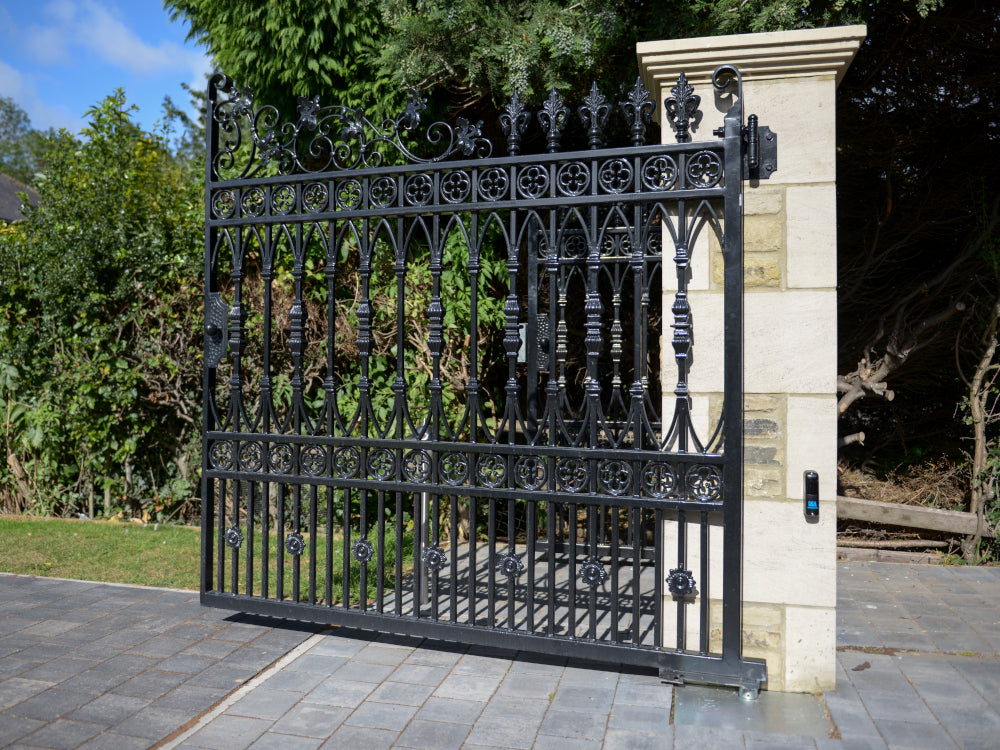
When planning a metal fabrication project, one of the most common questions is whether wrought iron or mild steel is the better material. The two terms are often used interchangeably, particularly when discussing gates, railings and decorative metalwork, but they are not the same material.
Understanding the differences between wrought iron and mild steel is important for anyone investing in metalwork, whether you are a professional fabricator, contractor or DIY enthusiast. The choice of material affects everything from strength and appearance to maintenance requirements and long-term value.
While wrought iron has a rich history and remains associated with traditional craftsmanship, mild steel has become the material of choice for most modern fabrication projects. Knowing why can help you select the most suitable option for your needs.
What Is Wrought Iron?
Wrought iron is a traditional iron material that contains very low levels of carbon and small amounts of fibrous slag. Historically, it was produced through labour-intensive forging processes and was widely used throughout the eighteenth and nineteenth centuries for gates, railings, balconies and decorative architectural features.
One of the defining characteristics of wrought iron is its fibrous internal structure. This gives the material excellent ductility and allows it to be shaped into intricate decorative designs without becoming brittle.
Traditional blacksmiths used wrought iron to create scrolls, collars, finials and ornamental details that are still admired today. Genuine wrought iron is now relatively rare because modern steel manufacturing methods have largely replaced traditional production techniques.
As a result, authentic wrought iron is often reserved for specialist restoration work and heritage projects.
What Is Mild Steel?
Mild steel is a low-carbon steel that has become the standard material used throughout modern fabrication and construction. It offers an excellent balance of strength, workability and affordability, making it suitable for a huge range of applications.
Unlike traditional wrought iron, mild steel is manufactured using modern processes that produce consistent material properties and dimensions. It is readily available in profiles such as box section, tube, flat bar, angle and decorative forged components.
Its versatility makes it ideal for gates, fencing, railings, structural steelwork and decorative metal fabrication.
Today, most products marketed as wrought iron gates or wrought iron railings are actually fabricated from mild steel combined with decorative components that replicate traditional ironwork styles.

Comparing Strength and Structural Performance
When it comes to structural performance, mild steel generally has the advantage. Modern mild steel offers excellent tensile strength and predictable mechanical properties, making it suitable for both decorative and load-bearing applications.
This consistency allows fabricators to design gates, frames and railings with confidence, knowing the material will perform reliably under stress.
Wrought iron remains a durable material, but it was never designed to meet the structural demands of modern engineering applications. Its strength characteristics can vary depending on how it was originally produced and worked.
For large gates, commercial installations and structural projects, mild steel is usually the preferred choice because it provides superior strength while remaining easy to fabricate.
Appearance and Traditional Character
One of the main reasons people are drawn to wrought iron is its classic appearance. Traditional wrought iron is often associated with elegant scrollwork, ornate finials and handcrafted detailing that create a timeless aesthetic.
Many period properties and historic buildings feature wrought iron gates and railings that have become part of their architectural character.
However, modern fabrication techniques allow mild steel to achieve the same visual appeal. Decorative components such as forged scrolls, twisted bars, hammered bars and ornamental finials are widely available and can be incorporated into mild steel designs.
Once painted or powder coated, it is often impossible to distinguish between decorative mild steel and genuine wrought iron without detailed inspection.
For most customers, mild steel provides the traditional appearance they want while offering the benefits of modern fabrication.
Fabrication and Ease of Working
Mild steel offers significant advantages when it comes to fabrication. It can be cut, welded, drilled and formed using standard workshop equipment and techniques.
This flexibility allows fabricators to create both simple and highly decorative structures efficiently and cost-effectively.
Wrought iron is more challenging to work with and often requires specialist forging skills. Repairs and modifications can also be more complex because of the material's fibrous structure and varying composition.
For modern fabrication businesses, mild steel provides a far more practical solution while still allowing traditional design features to be incorporated into the finished product.
Corrosion Resistance and Maintenance
Neither wrought iron nor mild steel is naturally resistant to corrosion, which means both require suitable protective finishes when used outdoors.
Historically, many wrought iron installations survived for decades because they were regularly maintained and repainted. While wrought iron can be highly durable, it is still susceptible to rust if left unprotected.
Modern mild steel can achieve excellent longevity when protected with galvanising, powder coating or high-quality paint systems. These protective finishes help prevent moisture from reaching the metal surface and significantly reduce the risk of corrosion.
In most outdoor installations, the quality of the protective coating has a greater impact on lifespan than whether the material is wrought iron or mild steel.
Cost and Availability
Cost is often one of the most significant factors when choosing between materials.
Because genuine wrought iron is no longer widely produced, it is considerably more expensive than mild steel. The material itself is difficult to source, and the specialist labour required for forging and fabrication adds further cost.
Mild steel is readily available from suppliers throughout the UK and is significantly more affordable. This makes it suitable for projects ranging from small garden gates to large commercial installations.
For most customers, mild steel offers a much better balance between appearance, performance and budget.
Why Most Modern Wrought Iron Products Are Made from Mild Steel
Many people are surprised to learn that most modern wrought iron gates, railings and fencing products are actually fabricated from mild steel.
The term "wrought iron" is often used to describe a style rather than the material itself. Decorative steel components can replicate the appearance of traditional wrought iron extremely effectively while benefiting from the strength and practicality of modern steel.
This approach allows fabricators to create products that look traditional but are easier to manufacture, easier to repair and more cost-effective for customers.
As a result, mild steel has become the standard material for decorative metalwork across the industry.
When Should You Choose Wrought Iron?
There are situations where genuine wrought iron remains the best choice.
Restoration projects involving listed buildings, heritage properties or historical structures often require authentic materials to preserve the original character of the installation.
Specialist blacksmithing projects may also benefit from the unique properties and traditional appeal of wrought iron.
In these cases, authenticity often outweighs considerations such as cost or ease of fabrication.
When Should You Choose Mild Steel?
For most modern projects, mild steel is the preferred option. It offers excellent structural strength, outstanding fabrication flexibility and a wide range of decorative possibilities.
Whether you are building a driveway gate, garden gate, railing system or decorative fence, mild steel provides a reliable and cost-effective solution.
Its compatibility with modern welding techniques and protective finishes makes it suitable for both residential and commercial applications.
For the vast majority of customers, mild steel delivers everything they need without the expense associated with genuine wrought iron.
Making the Right Choice for Your Project
Both wrought iron and mild steel have earned their place in the world of metal fabrication. Wrought iron remains a symbol of traditional craftsmanship and historical architecture, while mild steel has become the practical choice for modern manufacturing.
For most gates, railings and decorative metalwork, mild steel provides the best combination of strength, versatility, affordability and appearance. With the addition of decorative forged components, it can achieve the classic look associated with traditional wrought iron while offering the advantages of modern fabrication.
By understanding the strengths and limitations of each material, you can make an informed decision and choose the option that best suits your project's requirements, budget and long-term expectations.