
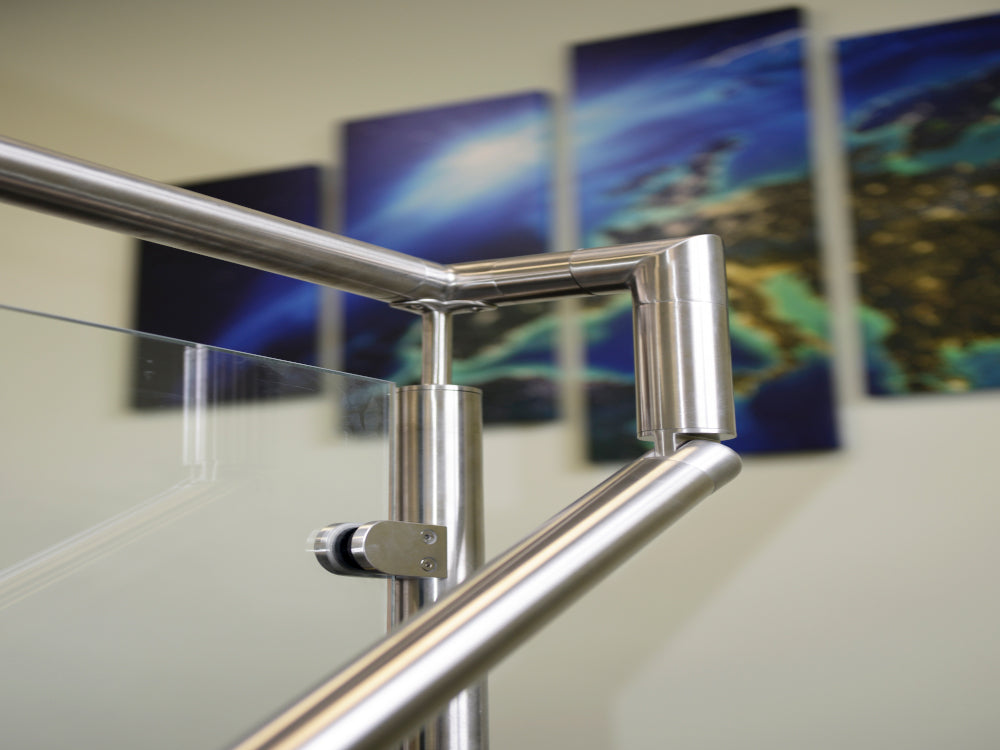
Stainless steel is a favourite material for both domestic and commercial balustrade systems thanks to its strength, sleek appearance and corrosion resistance. But what many customers don’t realise is that stainless steel varies significantly in quality. Two components may look identical on the surface, yet perform very differently once installed - especially outdoors.
Choosing the wrong grade can lead to staining, rust, premature failure and costly replacements. This is why understanding stainless steel grades is essential for both DIY installers and trade professionals.
Why Stainless Steel Grade Matters
At first glance, stainless steel appears uniform: polished, modern and durable. But its chemical makeup determines how it handles real-world environments such as rain, salt exposure, humidity and fluctuating temperatures. Lower grades may work perfectly well indoors, but outdoors they often struggle, especially in areas with high moisture or pollution.
Rust spots, weakening structural integrity and discolouration can occur far sooner than expected, turning a seemingly small purchasing decision into an expensive problem.
These hidden costs affect everyone. DIY customers may end up replacing entire sections of railing or balustrade. Trade professionals risk call-backs, lost time and damage to their reputation if installations fail prematurely. That’s why DC Iron supplies premium stainless steel handrails and components specifically chosen to withstand UK weather conditions.
Understanding 304 vs 316 Stainless Steel
The two most commonly used grades of stainless steel in architectural applications are 304 and 316, and while both offer durability, they are suited to different environments.
304 stainless steel is an excellent all-round material for internal installations. It provides good corrosion resistance in dry, controlled environments and is frequently used for indoor handrails, staircases and decorative features. For interior projects, it delivers long-lasting performance at an economical price point.
316 stainless steel, on the other hand, offers superior corrosion resistance thanks to the addition of molybdenum. This makes it far more resilient in harsh environments where moisture, salt or industrial pollutants are present. For outdoor railings, balconies, public walkways and especially coastal properties, 316 is the recommended and often the only suitable choice. While it may cost more initially, its long-term durability far outweighs the upfront investment.
The Real Cost of Using the Wrong Grade
The most common issue that arises from using unsuitable stainless steel is corrosion - not always dramatic, but often unsightly and progressive. Tea staining and rust spots can appear on 304-grade components used outdoors, even if they were initially polished and protected. Over time, these marks deepen, affecting both the appearance and safety of the installation.
Beyond cosmetic problems, corrosion weakens fixings, posts and fittings. Handrails may loosen, clamps can lose their grip, and structural reliability diminishes. The cost of replacing these parts, combined with labour and downtime, typically exceeds any initial savings from selecting cheaper materials. For tradespeople, replacements and repairs also take time away from new projects and can affect customer trust.
This is why pairing 316-grade stainless steel components with the right supporting parts - such as weather-resistant fixings and durable end caps is essential for outdoor work.
Choosing the Correct Grade for Your Project
Selecting the right stainless steel grade comes down to location and exposure. Indoor installations benefit from 304 stainless steel, offering excellent performance without unnecessary cost. In contrast, any outdoor project should use 316 stainless steel to ensure long-term resistance to rain, humidity and pollutants. Coastal regions, poolside areas and industrial settings demand 316 as standard, as these environments are highly corrosive.
It’s important to remember that all components must match in grade.
Mixing 304 and 316 elements can lead to galvanic corrosion, where metals react with each other and accelerate rusting. Ensuring that handrails, fixings and finishing pieces are all made from matching stainless steel is essential to maintaining structural integrity and appearance.

Quality Materials Are Worth the Investment
High-quality stainless steel pays for itself over time. It retains its shine, resists corrosion, and maintains its structural performance for decades. This reduces maintenance, prevents stains and failures, and offers peace of mind for both homeowners and professional installers. When customers choose reliable materials from the beginning, they avoid unnecessary replacements and achieve a premium finish that stands the test of time.
Shop Our Range of Stainless Steel Products
DC Iron supplies a comprehensive range of premium stainless steel products designed for durability and long-term performance. Whether you're fitting a balcony, updating a staircase or completing a large commercial installation, our components offer the strength, reliability and clean aesthetic that modern projects demand.
High-grade materials make all the difference - choose stainless steel that is built to last.
Browse our range of stainless steel products today!