
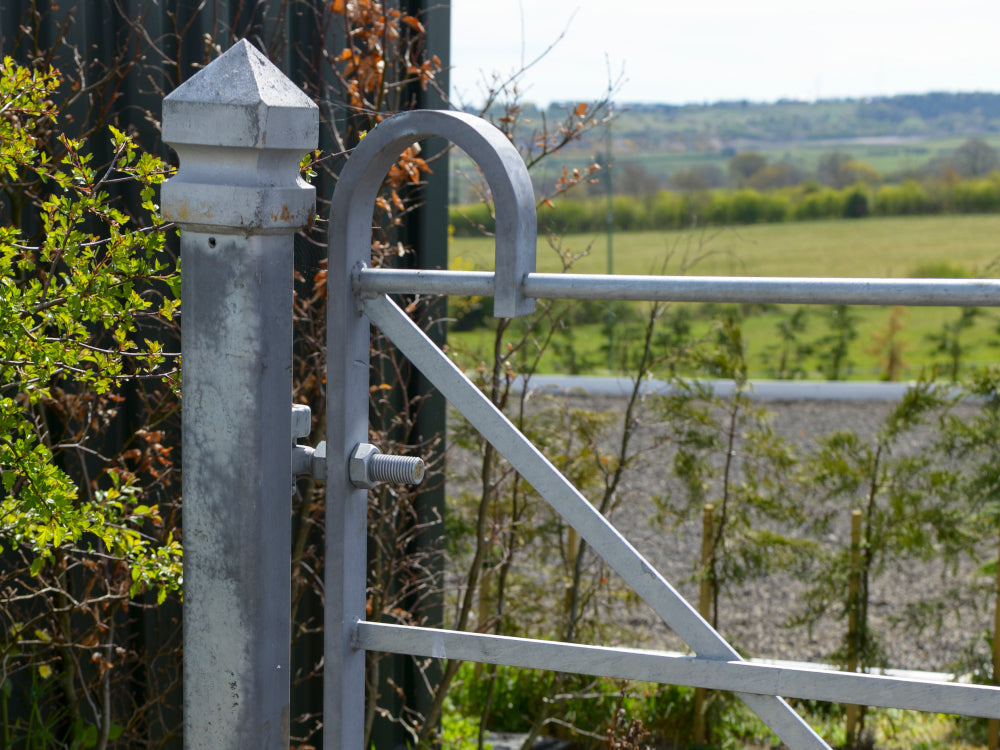
Gate posts are one of the most important structural elements in any gate installation. Whether supporting a lightweight garden gate or a large heavy-duty driveway gate, the posts carry the load of the gate and transfer that force into the ground. If the posts are installed incorrectly, even the highest quality gate hardware and fabrication work can eventually fail.
Many gate problems such as sagging, dragging, leaning or poor alignment can often be traced back to mistakes made during post installation. For both professional fabricators and DIY installers, understanding these common issues is essential for creating gates that remain secure, level and reliable for years to come.
Choosing Posts That Are Too Small
One of the most common mistakes is selecting gate posts that are too small for the size and weight of the gate. A gate creates constant force on the hinge side post, particularly on wider or heavier installations. If the post lacks sufficient strength, it may bend, twist or lean over time.
This problem is especially common when lightweight box section is used for large steel gates or automated systems. While smaller posts may appear adequate during installation, repeated use and environmental forces gradually place additional stress on the structure.
Professional fabricators typically consider gate width, overall weight and expected usage before selecting post dimensions. Choosing the correct wall thickness and section size is critical for long-term stability.
Installing Posts Without Sufficient Depth
Even strong gate posts can fail if they are not installed deep enough into the ground. Insufficient embedment depth reduces stability and increases the likelihood of movement over time.
Shallow posts are particularly vulnerable in soft ground or areas exposed to high winds. Frost movement and soil expansion can also affect poorly installed posts, causing them to shift or lean.
As a general principle, larger and heavier gates require deeper foundations. Professional installers often adjust depth based on ground conditions, gate weight and post dimensions rather than relying on a single standard measurement.
Poor Concrete Foundations
Concrete foundations play a major role in supporting gate posts. Weak or poorly mixed concrete can allow movement, while foundations that are too small may fail under load.
Another common issue occurs when installers pour concrete into narrow holes without allowing enough width around the post. This reduces the foundation’s ability to resist movement from gate loads and wind pressure.
Allowing sufficient curing time is also important. Gates should not be hung before the concrete has properly set, as this can shift the posts before the foundation gains full strength.

Failing to Account for Gate Weight
Many installation problems occur because the full weight of the gate was not properly considered. Heavier gates place greater stress on posts, hinges and foundations, especially when the gate is opened and closed regularly.
Automated gates introduce even more force because motors create additional pressure during operation. Dynamic movement from opening systems can gradually weaken poorly supported posts.
Professional fabricators often calculate gate weight during the design stage to ensure the posts and fixings are suitable for the load they will carry.
Incorrect Post Alignment
Accurate alignment is essential for smooth gate operation. If posts are not perfectly level and square during installation, the gate may not close correctly or could place uneven stress on hinges and latches.
Small alignment errors become far more noticeable once the gate is installed. A slight lean in the hinge post can cause the gate to drop over time, while incorrect spacing between posts may prevent proper latch engagement.
Checking measurements carefully throughout installation helps avoid these issues. Professional installers often use string lines, spirit levels and diagonal measurements to ensure alignment remains accurate.
Ignoring Ground Conditions
Ground conditions have a major influence on gate post stability, yet they are often overlooked. Soft soil, clay-rich ground and areas with poor drainage can all affect how the posts perform over time.
Clay soil expands and contracts with moisture changes, which can gradually move posts out of alignment. Waterlogged ground can weaken foundations and reduce overall stability.
Professional installers frequently adapt foundation size and depth based on the conditions at the installation site. Understanding the ground beneath the installation is just as important as choosing the correct materials above it.
Poor Drainage Around the Posts
Water is one of the biggest long-term threats to gate post installations. Poor drainage allows moisture to collect around the base of the posts, increasing the risk of corrosion and weakening the surrounding ground.
Steel posts are particularly vulnerable if water becomes trapped inside hollow sections. Without drainage holes or protective caps, internal corrosion may develop unnoticed until structural strength is affected.
Ensuring water can drain away from the foundation area significantly improves the lifespan of the installation.
Incorrect Hinge Placement
The position of the hinges directly affects how loads are transferred into the gate posts. Incorrect hinge placement can create uneven stress, causing twisting or excessive strain on the hinge side post.
Heavy gates often require carefully positioned hinges to distribute loads properly. If the hinges are placed too close together or incorrectly aligned, the gate may sag prematurely.
Professional fabricators understand that hinge positioning is not simply about convenience but also about structural performance.
Using the Wrong Fixings and Anchors
Fixings and anchors are often underestimated during gate installation. Using fixings that are not rated for the expected loads can lead to movement and instability over time.
This is particularly important when installing bolt-down gate posts onto concrete surfaces. The anchors must be capable of handling both shear and tensile loads created by gate movement and wind pressure.
Selecting high-quality fixings and ensuring they are installed correctly helps maintain structural integrity.
Rushing the Installation Process
Many installation problems occur because the process is rushed. Skipping alignment checks, failing to allow concrete to cure properly or ignoring small inaccuracies can create major issues later.
Taking time during installation allows adjustments to be made before problems become permanent. Professional installers understand that careful preparation often determines the long-term success of the entire gate system.
Creating Gate Installations That Last
Installing gate posts correctly is essential for the strength, stability and reliability of any gate system. From selecting the right post size to ensuring proper foundations and alignment, every stage of the process affects long-term performance.
For DIY users, understanding these common mistakes helps avoid costly repairs and frustrating problems. For professional fabricators, careful installation protects both workmanship and reputation.
By focusing on proper preparation, accurate installation and long-term durability, gate posts can provide reliable support for many years, even under demanding conditions.