
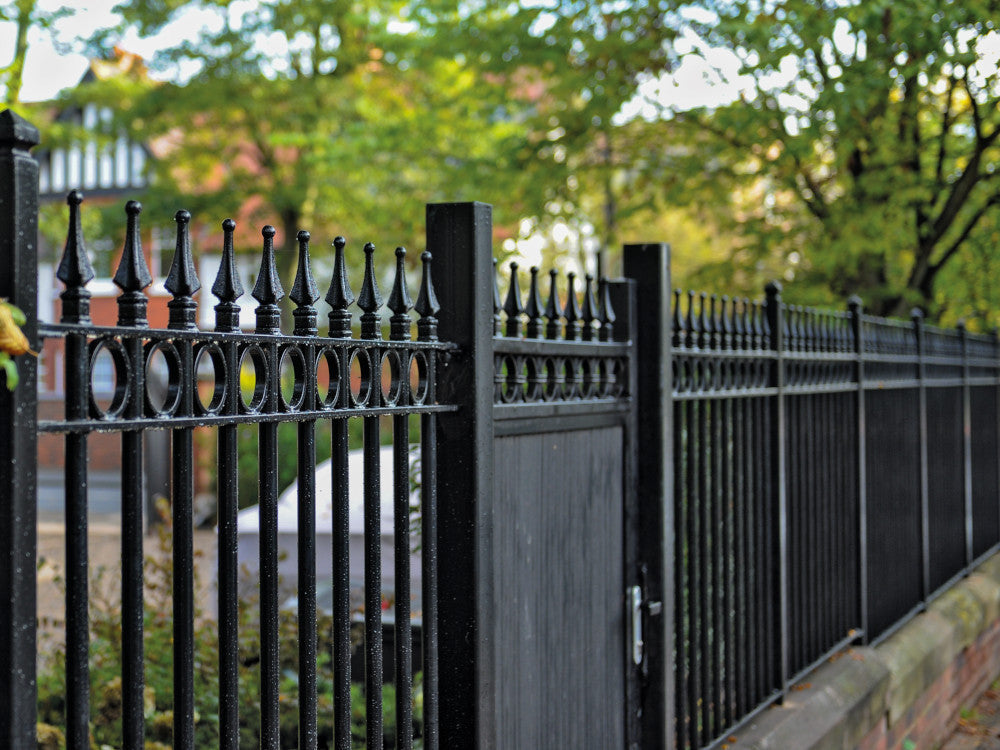
Steel box sections are widely used throughout fabrication because of their strength, versatility and clean appearance. Hollow sections, box section and tube are especially popular for gates, railings, frames and structural supports. While external corrosion is usually easy to spot and maintain, one of the biggest long-term threats to steel often develops where it cannot be seen.
Condensation inside hollow steel sections can create hidden corrosion that gradually weakens the structure from the inside out. Because the damage develops internally, many fabricators and property owners do not notice the problem until the steel has already been significantly affected.
For both professional fabricators and DIY users, understanding how condensation forms and how it causes corrosion is essential for improving the lifespan and reliability of metalwork.
Why Hollow Steel Sections Are Vulnerable
Unlike solid steel, hollow sections contain enclosed internal spaces where moisture can become trapped. These areas often have limited airflow and are difficult to inspect once fabrication is complete.
Even when the exterior of the steel is fully painted, galvanised or powder coated, the inside of the section may remain untreated or exposed to moisture. Over time, this creates ideal conditions for corrosion to develop unnoticed.
Steel box section gate frames, posts, handrails and outdoor structural supports are all vulnerable if moisture is allowed to accumulate inside the steel.
How Condensation Forms Inside Steel Sections
Condensation develops when warm moist air comes into contact with a cooler metal surface. As the temperature changes, water vapour in the air turns into liquid moisture on the inside walls of the steel section.
This process is especially common outdoors where temperatures fluctuate between day and night. During colder conditions, the steel cools rapidly, encouraging condensation to form internally.
Even small amounts of moisture can become a problem when trapped repeatedly inside enclosed sections over long periods.
Why Hidden Corrosion Is Difficult to Detect
External corrosion is usually visible as rust staining, bubbling paint or surface discolouration. Internal corrosion, however, often develops silently.
The outside of the steel may appear completely sound while corrosion gradually weakens the inner walls of the section. By the time visible signs appear externally, significant internal deterioration may already have occurred.
This is particularly dangerous in structural installations such as gates, support posts or load-bearing frames where hidden weakening can affect safety and long-term performance.

Common Areas Where Condensation Problems Occur
Steel gate posts are one of the most common areas affected by hidden internal corrosion. Water can enter through open ends, fixing holes or small gaps around welds and caps.
Horizontal sections are also vulnerable because moisture can collect and remain trapped inside. If the section lacks drainage or ventilation, the water may stay inside for long periods.
Outdoor handrails, balustrades and fencing systems can also develop internal condensation, particularly in exposed environments where temperatures change frequently.
The Role of Poor Drainage
One of the biggest causes of hidden corrosion is poor drainage. If water enters a hollow section but cannot escape, the moisture remains trapped against the steel surface.
Many fabrication projects fail to include drainage holes at the lowest points of the structure. Without an escape route, even small amounts of moisture can accumulate over time.
Professional fabricators often incorporate drainage during the design stage to reduce the risk of long-term corrosion.
How Corrosion Weakens Steel Internally
Corrosion gradually consumes the steel surface, reducing wall thickness and weakening the structure. In hollow sections, this process can continue unnoticed for years.
As the steel becomes thinner internally, its ability to handle structural loads decreases. This can eventually lead to bending, cracking or complete failure under stress.
Because the damage occurs inside the section, external coatings alone may not prevent the problem if moisture is trapped internally.
Preventing Condensation and Hidden Corrosion
One of the most effective ways to prevent hidden corrosion is by ensuring hollow sections are properly sealed, drained and protected during fabrication.
Drainage holes allow moisture to escape rather than collect inside the steel. Ventilation holes can also help reduce condensation by allowing airflow through enclosed sections.
Protective coatings inside the steel section provide additional resistance against corrosion. Galvanised steel is often used in outdoor environments because the zinc coating helps protect both the inside and outside surfaces.
Proper sealing of end caps and weld areas also helps reduce water entry.
The Importance of Design and Fabrication Planning
Preventing hidden corrosion begins during the design stage. Fabricators who consider drainage, ventilation and moisture exposure early in the project can significantly improve the lifespan of the finished installation.
Positioning sections to avoid water traps and ensuring moisture can escape naturally are important design considerations.
Attention to these details is particularly important for outdoor metalwork exposed to changing weather conditions throughout the year.
Long-Term Maintenance and Inspection
Regular inspection helps identify early warning signs of hidden corrosion before major structural damage occurs. Rust staining around joints, swelling around welds or water leaking from sections can all indicate internal moisture problems.
Maintaining protective coatings and ensuring drainage holes remain clear also improves long-term durability.
For both professionals and DIY users, routine maintenance is essential for preserving the strength and appearance of steel installations.
Protecting Steel Structures for the Future
Condensation inside steel box sections is one of the most overlooked causes of corrosion in metal fabrication. Because the damage develops internally, it can remain hidden until the structure has already weakened significantly.
By understanding how condensation forms and incorporating proper drainage, ventilation and protective measures, fabricators can greatly reduce the risk of hidden corrosion.
Whether building gates, railings, frames or structural supports, considering internal moisture control is an important step in creating steelwork that remains strong, reliable and durable for many years.