
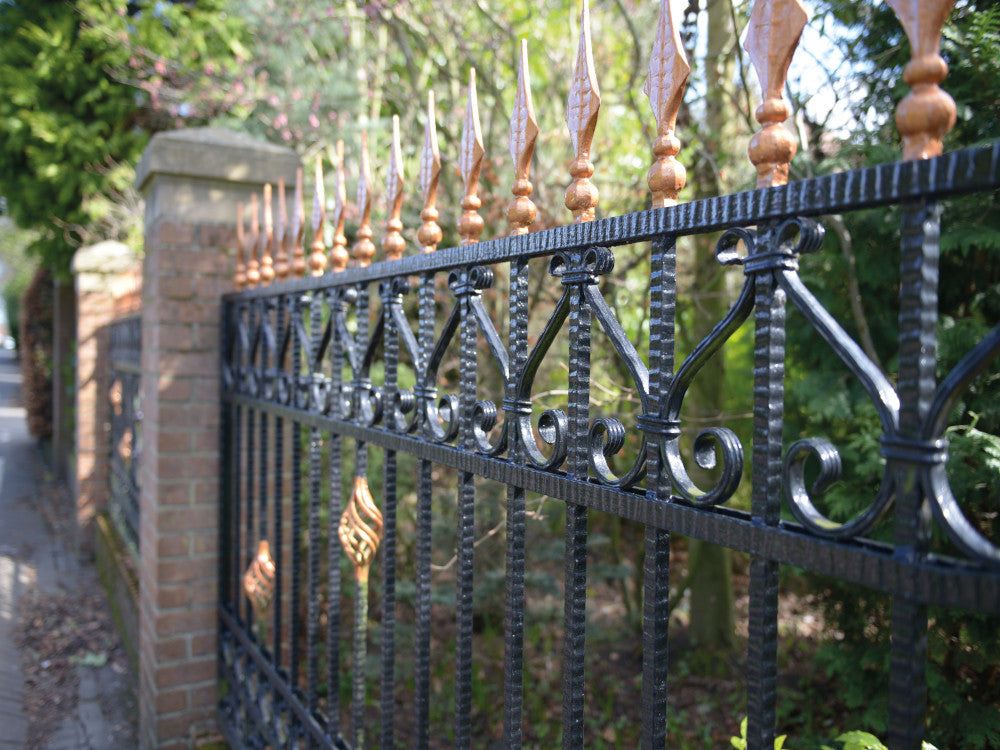
Wrought iron components known for its strength and craftsmanship, but the decorative elements chosen can transform a simple design into something striking. Two of the most popular profiles in traditional and contemporary metalwork are twisted bars and hammered bars. Both offer unique visual qualities and practical benefits, yet they create very different effects in gates, railings, balconies and interior projects.
Whether you are a fabricator selecting materials for a client or a DIY enthusiast upgrading a home project, understanding the differences between these two profiles will help you choose the right one for the desired look and strength.
What Are Twisted Bars?
Twisted bars are created by heating a steel bar and rotating it along its length, producing a clean helical pattern. This twisted appearance adds movement and elegance, making the bar look handcrafted even in large-scale production.
Twisted bars are frequently used in gates, fencing panels and balcony railings. They break up long stretches of plain vertical bar and draw the eye to key areas of the design. Their symmetrical, flowing pattern suits both traditional and modern ironwork, and they blend easily with scrolls, baskets and decorative collars.
Another advantage is their consistency. Because the twist follows a predictable rhythm, twisted bars are ideal when a uniform look is required across multiple panels.
Explore our range of twist and rope bars today.
What Are Hammered Bars?
Hammered bars have a textured surface created by repeatedly striking the bar with a hammering tool. This creates a faceted finish with light-catching angles and subtle variations. Unlike the smooth twist of a spiral bar, hammered bars achieve a more rustic and hand-forged appearance.
They are perfect for projects that need a heavier, more traditional style. Hammered bars pair beautifully with old-world gate designs, ornate scrolls, leaf motifs and decorative rosettes. They are especially popular in heritage-style railings, garden gates and period restorations, where handcrafted detail is essential.
Because no two hammered bars are identical, they add individuality and character to any ironwork project.
Comparing the Aesthetic Appeal
The appearance of the bar has a major influence on the overall design. Twisted bars create a sense of movement and symmetry. They feel refined and elegant and suit both understated and decorative work. Their balanced shape allows them to complement modern minimalist designs as well as traditional gates.
Hammered bars offer depth and rugged character. Their textured surface looks strong and authentic, especially when paired with forged components. If you want a design that feels handbuilt and substantial, hammered bars deliver that visual weight.
The decision often comes down to style. Twisted bars are graceful. Hammered bars are bold. Both can elevate a design when used with intention.

Comparing Practical Performance
Both profiles are made from solid steel and provide excellent durability. In terms of strength, twisted and hammered bars perform similarly because the decorative shaping does not significantly affect structural integrity.
Where they differ slightly is in handling and finishing. Twisted bars are smooth and easy to prepare for painting or powder coating. Hammered bars may require more careful paintwork because the textured surface has more edges to cover.
For outdoor use, both profiles hold up well. When paired with suitable primers and protective coatings, they provide long-term resistance against the elements.
Which Projects Suit Twisted Bars?
Twisted bars are ideal for:
Decorative gates with a flowing or symmetrical pattern
Balcony railings where you want a classic but elegant look
Fencing panels that need visual interest without heavy ornamentation
Interior pieces such as stair balusters, furniture or room dividers
They are a versatile choice that works well in almost any setting.
Which Projects Suit Hammered Bars?
Hammered bars suit projects where craftsmanship and texture are key elements. These include:
Traditional wrought iron gates
Heritage restorations
Rustic garden features
Period railings or balconies
Their handmade appearance makes them perfect for designs that celebrate traditional blacksmithing styles.
Combining Both Profiles for Maximum Impact
Many of the most impressive ironwork designs use a mixture of twisted and hammered bars. Twisted bars can act as the lighter, decorative components, while hammered bars provide structure and bold visual weight. Mixing profiles adds depth and contrast, allowing fabricators to create designs with layers of interest.
Collars, rings and decorative bands can tie the two bar types together, creating visual harmony even when textures differ.
Choosing the Right Bar for Your Project
The choice ultimately depends on the aesthetic you want to achieve. Twisted and rope bars create elegance and motion. Hammered bars add solidity and handcrafted character. Both are durable, visually appealing and well suited to gates, railings, balconies and decorative metalwork.
For DIY users, both bar styles are straightforward to weld and integrate into existing structures. For trade professionals, offering both options gives clients a broader range of design possibilities and ensures every project achieves the perfect balance of visual appeal and practicality.