
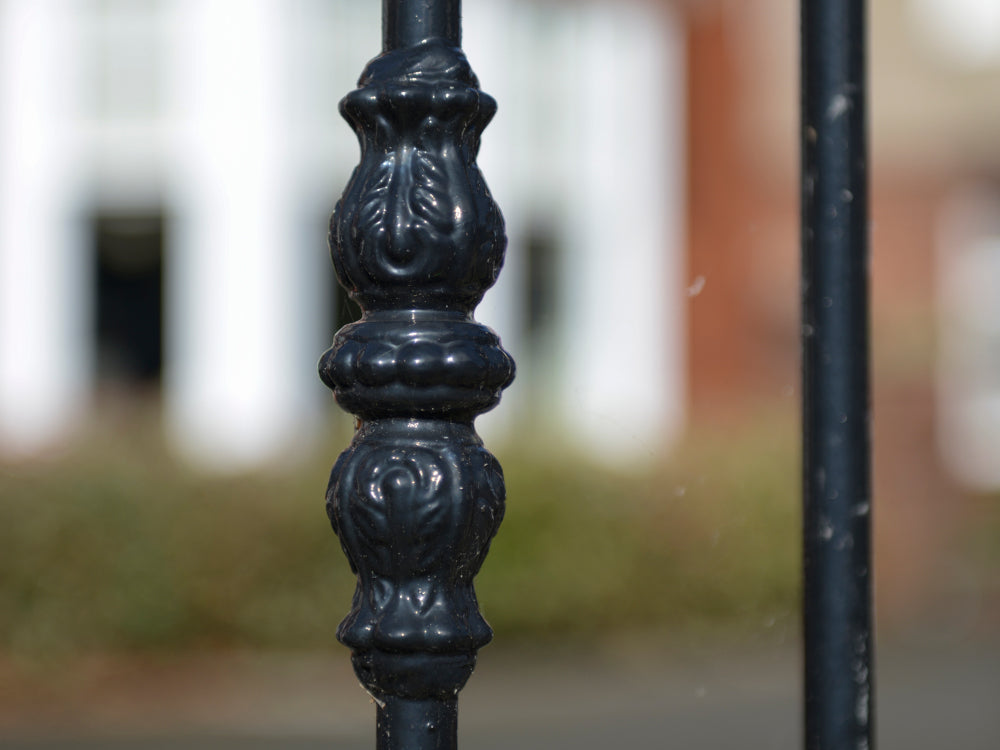
Wrought iron is admired for its strength, elegance and versatility, but even the most impressive designs rely on the right supporting components. Collars, rings and decorative bands are small pieces that play a big role. They not only add visual interest but also reinforce structures, hide welds, and help create balanced, professional ironwork.
Whether you are a fabricator building gates and railings every day or a DIY enthusiast upgrading a home project, understanding how these reinforcing elements work will help you achieve stronger, neater and more attractive results.
Why Reinforcement Matters in Wrought Ironwork
Wrought iron components such as scrolls, bars and finials are often joined through welding or mechanical fixing. While these joints are strong, they can sometimes leave visible seams or transitions that interrupt the flow of a design. Reinforcement pieces provide two key benefits: they support the structure where parts join together, and they add a decorative touch that elevates the finished piece.
Collars, rings and decorative bands each offer their own type of reinforcement. When used correctly, they provide both stability and a refined, expert finish.
Using Collars for Strength and Style
Collars are small sleeves that wrap around joints or sections of bar. They are one of the most useful components in any wrought iron project because they serve both structural and aesthetic functions.
A collar can reinforce the connection between two bars, creating a secure link that reduces flex or movement. This is especially valuable in gates, balcony panels and railings that experience frequent handling or vibration.
Collars are also an excellent way to hide welds. Even clean welds can look harsh when they sit between decorative ironwork. A collar neatly covers the joint and makes it appear intentional, adding a professional touch that both DIY users and fabricators appreciate.
Decoratively, collars also create rhythm and variation along bars or spindles. By placing them at regular intervals, you can break up long lengths of plain bar and add more visual depth.
The Role of Rings in Creating Balanced Designs
Rings have long been a classic element in wrought ironwork. When placed between bars or inside railings, they add symmetry and movement without overwhelming the design.
From a structural perspective, rings help distribute tension across wider sections of a panel. They connect vertical bars through the ring itself, which increases rigidity and prevents rattling. This can be particularly important in large driveway gates or tall fencing panels where long spans of iron may otherwise flex.
Rings also offer endless creative opportunities. They can frame rosettes, sit at the centre of scroll layouts or create lattice patterns. Many fabricators use rings as a way to unify complex layouts, tying multiple decorative elements together through a shared shape.
For DIY projects, rings are one of the easiest ways to upgrade a simple railing, as they require minimal modification yet deliver a significant design impact.
Decorative Bands: The Finishing Touch That Adds Cohesion
Decorative bands are often overlooked, yet they provide a subtle way to add detail and shape to wrought ironwork. A band wraps around the bar and can be tightened into place, creating a smooth join or highlighting an area of interest.
Bands act as reinforcement by preventing bars from twisting or shifting at junction points. This is especially useful in areas where scrolls or infill pieces are attached to the main frame.
Visually, bands help break up straight lines and introduce texture. They pair beautifully with twisted bars, hammered bars or scrollwork, creating contrast that enhances the craftsmanship of the entire piece.
Professionals often use bands to maintain consistent spacing between decorative elements, while DIY users appreciate the simplicity of fitting them without specialised tools.

Choosing the Right Reinforcement for Your Project
Selecting between collars, rings and bands depends on the style and structural needs of your design. Collars are perfect for joining bars and hiding welds. Rings are ideal for creating decorative centres and adding rigidity. Bands provide both subtle reinforcement and elegant detailing.
Most high-quality wrought ironwork combines all three. For example, a gate may use collars to finish scroll joints, rings to build a decorative pattern, and bands to accent vertical bars. Together, they create a design that is secure, balanced and visually appealing.
Because these elements are available in various sizes and finishes, they can match almost any bar profile or project type. Whether you work with square bar, round bar, twisted bar or decorative infill panels, there are reinforcement components designed to suit your project.
Final Thoughts - DC Iron
Reinforcing wrought iron designs is not only about structural integrity. It is also about craftsmanship, longevity and the visual impact of the finished piece. Collars, rings and decorative bands help transform simple barwork into elegant ironwork that stands the test of time.
For both DIY enthusiasts and experienced fabricators, these components offer an easy and effective way to enhance the strength and style of gates, fences, balconies and railings. When used thoughtfully, they elevate a design from functional to truly exceptional.